
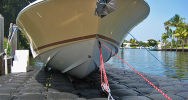
 Boat Docks
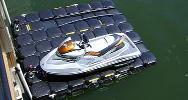 PWC Docks
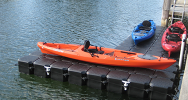 Kayak Docks
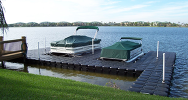 Floating Walkways
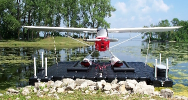 Seaplane Docks
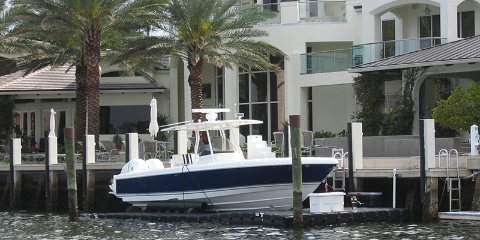 Residential Docks
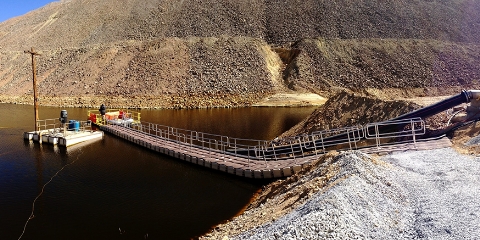 Commercial Docks
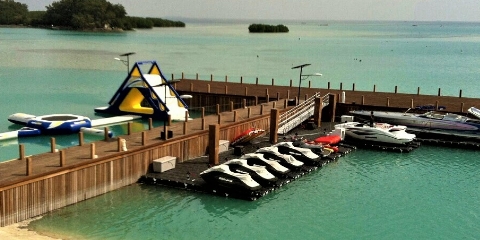 Saltwater Docks
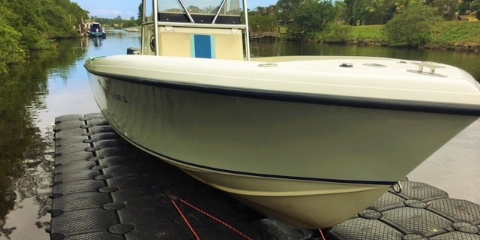 Lake & River Docks
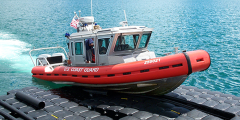 Government Docks
 Military Docks
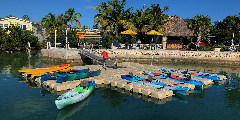 Parks & Recreation Boat Docks
 GSA Information
 Dealer Application
 Dealer List
 Jet Dock Advantages
 Boat Lift Photos
 Boat Lift Videos
 Knowledge Center
 Marine Forecasts
- What do I need to know?
- PDF Library
- Drive-on & Launching
- Floating Dock Assembly
- Boat Mooring & Installation
- Maintaining Your JetDock
- The Competition
- Questions for the Competition
- Environmentally Friendly
- Boat Lift & Boat Dock Legislation & Permitting
- Moving A Boat Lift
- Dock & Boat Lift Maintenance
- News & Articles
Boat Lift Comparison: The Pros and Cons of Different Types of Boat Lifts
The patented Jet Dock modular drive on boat lift system is the most versatile, functional and durable boat lift system in the world. But don't take our word for it – just look at the different types of boat lifts on the market. The more you know, the more likely you are to select one of our Jet Dock boat lifts. Keep reading to learn about the five main categories of boat lift devices and be sure to check out our questions to ask before buying your new docking system.
Boat Lift And Dock Systems
"Construction" Boat Lift Devices
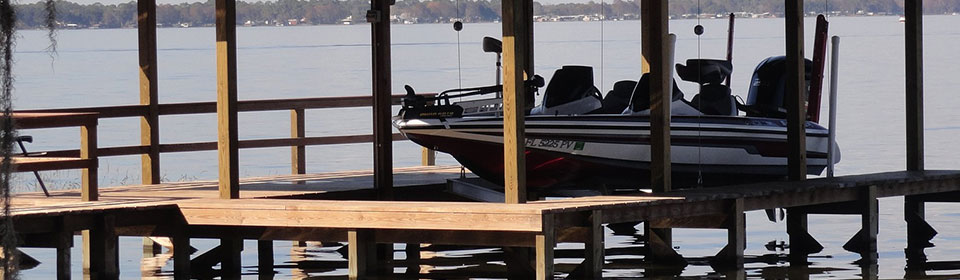
A construction-type boat lift includes 4-post lifts, elevator lifts and davits. They are normally installed by marine contractors with pile-drivers, skilled construction staff, permits, etc. The market has many construction-type boat lifts available, depending on the region in which you live and the availability of an installer.
| PROS | CONS |
| 1. Lifts boat in air, above rough water | 1. Must be professionally installed, often with permitting process |
| 2. Reasonable cost if you have an existing infrastructure, need for dredging, etc. | 2. Restrictive access to boat for boarding, covering and cleaning |
| 3. Keeps boat high and dry | 3. Can block view of the water |
| 4. Quality boat lift that's sturdy and durable | 4. Rarely for rented marina slips |
| 5. Mechanical parts, motors and cables that equate to future maintenance costs or limited life | |
| 6. Not designed to be modular, expandable or portable |
"Standing" Boat Lifts
This category includes hydraulic, cantilevered or crank-wheel lifts that sit on the seafloor and raise the watercraft upward. There are many manufacturers of standing boat lifts.
| PROS | CONS |
| 1. Relatively low cost | 1. Does not work in deep water |
| 2. Can incorporate a covering to tent the boat | 2. Can only withstand minor water fluctuations |
| 3. Keeps boat high and dry in steady waters | 3. Seafloor must not be too muddy, rocky or inconsistent |
| 4. Somewhat portable | 4. Not for most rented marina slips |
| 5. Works in shallow waters | 5. Mechanical parts, cables, etc. means maintenance costs or limited life |
| 6. Restricted access for covering and maintaining |
"Tank-Type" Boat Lifts
This type of lift has a metal frame suspended over hollow tubes that inflate and deflate with an air pressure motor to raise and lower the boat. There are many manufacturers of tank-type boat lifts.
| PROS | CONS |
| 1. Keeps boat high and dry | 1. Requires operational depth from front to back |
| 2. Can incorporate a covering to tent the boat | 2. Mechanical parts, motors, cables, etc. means maintenance costs or limited life |
| 3. Moderately portable | 3. Not designed to be modular or expandable |
| 4. Floats with changing water levels | 4. Can block your view |
| 5. Works in deep water |
5. Restricted access to bow and stern for covering and maintaining |
One-Piece Units
This type of boat lift is used for drive on boat lift docking. There are several manufacturers of one-piece plastic, slab-style boat lifts for docking PWCs or small watercraft.
| PROS | CONS |
| 1. Low maintenance | 1. “One-piece” means the unit cannot be re-configured to fit changing watercraft sizes and shapes |
| 2. Portable | 2. One-piece construction teeters at stern during drive on and storage |
| 3. Floats with changing water levels | 3. Debris and dirt can gather on center "dish" or trough area |
| 4. Works in both shallow and deep water | 4. May need to replace the entire unit if a single spot gets cracked or broken |
Floating Boat Lifts
An authentic Jet Dock floating portable boat lift has a modular design that allows for drive on docking and changeable configurations. While there are several manufacturers of floating boat docks, Jet Dock’s patented drive on, modular and submersible deck design makes it the safest and most reliable floating boat lift on the market.
| PROS | CONS |
| 1. Safe and user-friendly | 1. Can be heavier than stationary docks |
| 2. Convenient, drive on design | |
| 3. Portable, expandable and modular system | |
| 4. Durable, high-density construction | |
| 5. Prevents watercraft corrosion | |
| 6. Comes assembled and ready to use | |
| 7. Virtually maintenance free | |
| 8. Keeps boats high and dry | |
| 9. Floats with changing water levels |
A Word of Caution: Watch Out for "Knock-Off" Multi-Section, Drive On Docking Systems
There are several manufacturers of multi-section, drive on docking systems that violate Jet Dock’s patents or try to imitate Jet Dock designs. Keep in mind the following when purchasing your new boat lift.
- The original inventors of a technology tend to understand that technology best. The quality and functionality will reflect this.
- Attempts to engineer around patents can ultimately fail to accomplish their goal and, in doing so, reduce the quality and functionality of the product.
- Manufacturers that violate patents or mislead with look-alike products tend not to be forthcoming or reliable in other ways, either.
Questions? Don't hesitate to ask. Your knowledgeable Jet Dock representative can elaborate on the distinct product differences and quality advantages of true Jet Dock Boat Lift systems over other docking systems and patent-infringing devices. Discover for yourself why the best boat lifts are Jet Dock floating boat lifts.
Find Your Dock Now! ▶
By answering a few quick questions we will be able to tell you which dock or boat lift is the perfect fit for you.
Start Now! ▶Jet Dock Systems manufactures specialized floating boat lifts and drive-on docking systems for a wide variety of watercraft in just about any marine environment. Our headquarters and manufacturing operations are located in Cleveland, Ohio. We have an additional facility and staff in Fort Lauderdale, Florida as well as boat lift dealers all over the world.